

International Wrongful Conviction Day - Oct 2, 2026
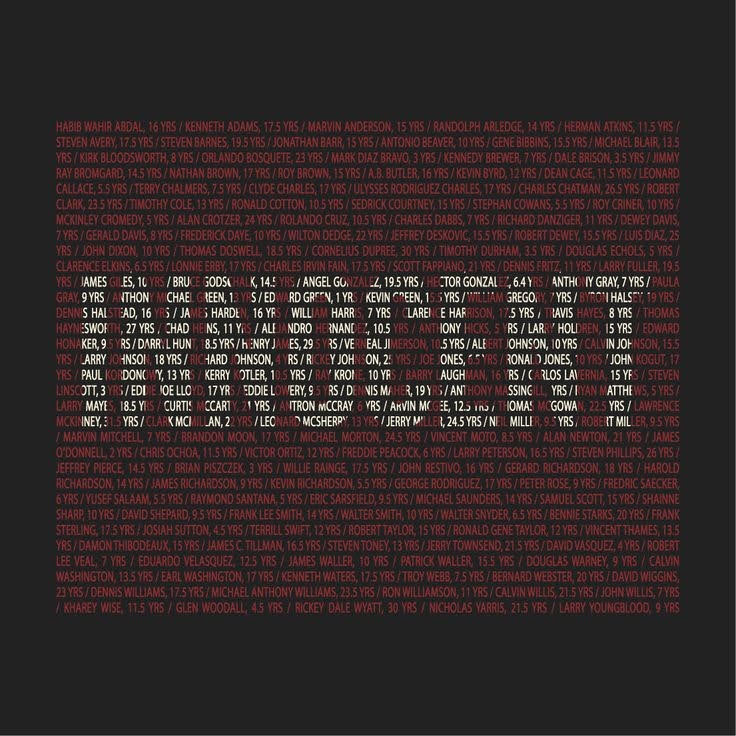
By Mark Clements, CTJC, SR. Organizer
October 2, 2026 marks International Wrongful Conviction Day, a solemn date that demands a global spotlight on the devastating reality of wrongful imprisonment. Across the United States—and specifically inside the steel and concrete of Illinois state prisons—thousands of Black and Brown individuals carry the weight of a legal system that has repeatedly traded truth for convictions.
For much of the public, the criminal justice system is reflexively viewed as a neutral arbiter of safety and fairness. However, for marginalized communities, the courtroom has historically functioned as an instrument of state-sanctioned violence and institutional slavery. Understanding wrongful conviction requires dismantling the myth of judicial neutrality and confronting the daily reality of coerced confessions, prosecutorial misconduct, and systemic racism.
From George Stinney to Modern Death Rows
The legacy of legal violence in America is long and continuous. In 1944, 14-year-old George Stinney Jr. became a stark symbol of systemic injustice when he was arrested, convicted, and executed by electric chair in South Carolina for a crime he did not commit. His trial lasted mere hours; his execution was carried out less than three months after his arrest. Decades later, his conviction was vacated, but his murder remains a permanent stain on the nation's conscience.
That same machinery operates today. The ongoing ordeal of Rodney Reed, along with thousands of others trapped on death row across the nation, demonstrates that the state's willingness to execute individuals despite compelling evidence of innocence is not a relic of the past. It is an active, ongoing crisis.
Police Torture and Coerced Confessions: The Illinois Crisis
In Illinois, the architecture of wrongful convictions was built heavily upon systemic police torture and coercion. The infamous legacy of Chicago police operations—particularly under figures like Jon Burge and his line of detectives—left behind decades of destroyed lives:
Johnny Plummer: In 1991, at just 15 years old, Plummer was taken to a Chicago police station where he was beaten, handcuffed, and subjected to hours of interrogation by detectives until he signed a confession for a crime he did not commit. He remains behind bars decades later, fighting for relief based on documented patterns of police torture. His mother, Jeanette Plummer, was a ferocious "bulldog" for justice—a woman who refused to back down, took no mess, and demanded that the criminal justice system release her son, fighting tirelessly until her last breath escaped her body.
Michael Johnson: A survivor of severe physical abuse—including electric shock—inflicted by Area 2 detectives operating under the Jon Burge apparatus. For decades, his mother, Mary L. Johnson (now over 90 years old), has stood at the forefront of the movement, fighting relentlessly for her son's freedom and embodying the brutal intergenerational toll exacted on families by state-sponsored abuse.
Darrell Fair: Arrested in 1998 and brought to Area 2, Fair was subjected to roughly 30 hours of interrogation by detectives who operated under Burge. Chained to a wall, he was physically kicked, threatened at gunpoint, and intentionally denied his life-saving asthma medication and food until a coerced statement was generated. Despite never signing the confession, receiving a Torture Inquiry and Relief Commission (TIRC) referral, and exposing prosecutors' reliance on tainted detectives, he remains trapped under a 50-year sentence.
Stanley Wrice and Lee Harris: Both men survived decades of physical torture and wrongful incarceration inside Illinois state prisons. Though both eventually secured their freedom after proving their convictions were built on coerced evidence, the physical and emotional toll of 30-plus years in prison cut their lives short, leaving them to pass away only a few years after release.
Freedom after exoneration does not erase the decades stolen, nor does it heal the body from the physical damage inflicted behind prison walls.
Gender-Based Violence, Women, and the Need for Trauma Healing
The discourse surrounding wrongful convictions frequently overlooks the specific violence inflicted upon women and children. Women who are wrongfully convicted or targeted by police abuse endure compounded layers of gender-based violence, sexual humiliation, and separation from their children.
To truly address this harm, the criminal justice system must acknowledge how entire families are shattered to maintain official narratives. Survivors require immediate, fully funded access to:
Specialized trauma-informed PTSD treatment tailored to incarceration.
Dedicated gender-based violence recovery services for women survivors.
Community-led healing frameworks that address intergenerational grief.
The Unbroken Line of Incarcerated Voices
While public statistics point to drops in violent crime in major cities like Chicago, the rate of wrongful convictions and aggressive prosecution remains alarming. Behind bars right now are men and women whose cases feature overwhelming evidence of innocence or severe procedural misconduct, including:
Michael Johnson
Darrell Fair
Robin Hickman
Malik Abdul Muhammad
Rico Clark
Michael Carter
Antonio Porter
Clayborn Smith
Kilroy Watkins
Micheail Ward
Michael McCoy
These names represent real human beings, families without their loved ones, and communities deprived of their members. Silence in the face of their continued imprisonment makes the public complicit in institutional slavery.
Judicial Malfeasance and Prosecutorial Accountability
International Wrongful Conviction Day is not a social photo opportunity or a passive commemoration. It is a direct indictment of indifferent judges and overzealous prosecutors who target poor people, prioritize conviction rates over truth, and ignore clear evidence of innocence.
True justice demands structural accountability:
Prosecutorial Oversight: Opening conviction integrity units to independent civilian oversight.
Immediate Vacations: Vacating cases tied to officers with established patterns of torture or evidentiary fabrication.
Full Reparations: Guiding comprehensive state pardons and immediate access to housing, medical, and psychological care for survivors upon release.
Until every innocent person caged behind state walls is home, October 2nd must serve as a rallying cry to speak truth to power and fight relentlessly for total abolition of systemic injustice.
